| "TIME"이 선정한 세계 10대 "건강식품"
01. 토마토의 라이코펜
신기능성 식품이란 목적에 맞게 여러가지를 조제한 영양 보강식품을 뜻한다. 마늘이야말로 그 자체로 먹어도 좋고 다양한 음식의 재료로 사용해도 좋으니 새로운 신기성능 식품이라 예찬해도 좋다.
현재까지 발견된 40여종의 항암 식품을 피라미드형으로 배열한 결과 최정상을 차지한 것이 다름 아닌 마늘이다. 항암효과 호르몬 분비 촉진 혈액순환 촉진 감기예방 탁월 간기능 개선 숙취에도 효과 등
알통을 뽐내던 뽀빠이의 힘의 원천은 다름아닌 시금치였다. 비타민 A, B1, B2, C, 등 각종 비타민은 물론 섬유질 요오드 등의 미네랄 까지 풍부하게 함유한 채소가 시금치다. 항산화 효과 암 발생 억제 눈 건강에도 도움 위장벽에 좋은 최고 식품, 양배추보다 훨씬 많은 비타민 U 를 함유하고 있는 것이 브로콜리 이다.
위암과 위궤양을 일으키는 헬리코박터 파일로리 균을 죽이는데 탁월한 효과. 노화를 촉진 시키는 활성산소를 중화시키는 효과. 항암 효과. 토코트리에놀은 보리나 귀리, 쌀, 밀, 등 곡물의 겨에서 주로 발견 되는 비타민 E 화합물이다.
체내 순환계의 불필요한 지방 억제. 항암 작용에도 효과. 식이섬유가 포만감을 느끼게 해줘 비만억제에도 탁월하다고 추천했다. 노화 방지효과, 현미로 대체하면 된다.
06. 견과류의 고밀도 콜레스테롤
08. 블루베리의 안토시아닌
계열의 색소는 동맥경화를 예방 한국에서는 다소 생소한 과일이기 때문에
카테킨 고유의 맛이다. 이 특유의 떫은 녹차를 자주 먹는 습관을 기르도록 하자.
하지만 나름대로의 이유가 있는데 이것이 바로 프렌치패러독스, 프랑스 사람들이 즐겨 마시는 레드 와인 덕분에 과도한 육식에도 불구하고 건강을 유지 할 수 있는것이라고 말한다.
레드 와인의 강력한 항산화 폴리페놀성분이 과식과 과음으로 인해 신체에 미치는 부정적인
|
2010년 9월 14일 화요일
"Time" 지가 선정한 10대 건강식품


2010년 9월 9일 목요일
Hair raising car accidents


I need to call.


snowstorm in Russia

Acrobatic flying car

looks scary

second deck's gone

fancy parking

too old to aim right
2010년 9월 8일 수요일
The Real Dangers of Overtraining
Every day, thousands of people put themselves in harms way by doing something healthy: exercising. They hit the track, gym, court, or pool with such extreme that they end up doing more harm than good. So how much is too much? They hit the track, gym, court, or pool with such determination they hurt themselves, burn out, or simply stop making progress. Overtraining is just as big a risk for seasoned athletes as it is for people new to exercise.
What is overtraining? Overtraining means that a person exercises at an intensity, quantity and duration that is more than his body can recover from. It can cause a syndrome of physical, mental and psychological symptoms that reflect an imbalance between training and recovery. It's more than just one extra-tough workout. Overtraining happens when there's a pattern of repeated, excess exercise without proper rest intervals. You don't have to be a marathoner to make this mistake. It can happen to the average fitness buff too.
How do you know if you're overtraining?
Obvious signs are abrupt injury like a sprain or damaged knee. Less obvious physical symptoms may include one or more of the following:
· Chronic muscle and/or joint pain
· Frequent musculoskeletal injuries
· The perception you're working harder than usual when you exercise
· Frequent colds and infections
· Fatigue or tiring easily
· Elevated resting heart rate and/or blood pressure
· Excess weight loss
· Appetite loss
Behavioral symptoms may include:
Impaired athletic performance
Poor sleep or insomnia
Lost enthusiasm for exercise
Depression, anxiety or irritability.
What happens when you overtrain? The goal of progressive exercise is to stress muscles enough to make them stronger. If muscles aren't allowed adequate recovery time though, they rebel with fatigue, pain and poor function. Tendons and ligaments that are put through too many repetitions or exposed to too much weight become inflamed. Not only is this painful, it can cause such serious injury that it can shut down an athlete's career. For less serious athletes, it can result in weekend warrior-type injuries that reduce your enthusiasm and capacity for future exercise.
How do you avoid overtraining?
· Use the rule of ten - only increase distance, intensity, weight, speed or length of any exercise activity by no more than ten percent per week.
· Schedule rest days - Five days of exercise per week is substantial. If you're exercising more than that, make sure some days are easy days and be sure to take at least one day off per week.
· Skip a day - Don't lift weights or do resistance exercises on the same muscles two days in a row. Weight lifting causes tiny tears in muscle fibers. They get stronger from healing. If you don't take a rest day between training sessions, those muscles won't heal properly.
· Cross train - Playing the same sports, using the same machines or doing the same old routine can overtrain some muscles and leave others at risk for injury. Strengthen all muscles by varying your routine, and cross training with different sports. For example, if you're a runner, spend some time on a bike or swimming.
· Train for seasonal sports in the off-season. Don't hit the slopes with a body that hasn't exercised since last snow season or try to play a soccer tournament when you haven't trained all year. Cross train, exercise regularly and play it safe.
Exercise and Weight Loss: 5 Truths
Experts Weigh In on How Much Exercise Affects Weight Loss and Weight Maintenance
You've heard it time and again -- to lose weight, you need to exercise and watch your diet, so that your calories burned exceed your calories consumed.
But if you've been working out and your extra pounds won't budge, you may be wondering why that seemingly simple strategy isn't working.
Don't hang up your sneakers and throw in the towel. If you do, you're going to miss out on the biggest weight perk exercise has to offer, experts tell WebMD.
First, you may need a reality check about what to expect from exercise. Here are five truths about exercise and your weight.
1. Exercise is only part of the weight loss story.
On the couch or in the gym, there's no getting around your tab of calories in and calories out.
Robert Kushner, MD, is a professor of medicine at Northwestern University and clinical director of the Northwestern Comprehensive Center on Obesity. He says the obese patients he treats often tell him they're not seeing the results they want from exercise.
"They typically will say, 'I have been working out three days a week for 30 minutes for the past three months and I have lost 2 pounds; there's something wrong with my metabolism,'" Kushner tells WebMD.
Kushner says he tells patients that exercise is very good for them, but for weight loss, he emphasizes a healthy diet in the beginning.
"First, we've got to get a handle on your diet," Kushner says. "Then, as you're losing weight and feel better and you're lighter on your feet, then we shift more and more toward being more physically active; and then living a physically active lifestyle for the rest of your life is going to be important to keeping your weight off."
Kushner's strategy is "certainly one reasonable approach," but others have had success including physical activity early on, says James O. Hill, PhD, professor of pediatrics and medicine and the director of the Center for Human Nutrition at the University of Colorado at Denver.
It's easier to cut 1,000 calories from a bloated diet than to burn off 1,000 calories through exercise, Hill notes. "But there are many, many studies that show that exercise is associated with weight loss when done in enough volume and consistently," Hill says. "It depends how much you do."
Pamela Peeke, MD, MPH, FACP, says she emphasizes physical activity right away with obese patients, partly for its mind-body benefits.
"Fitness is my middle name," says Peeke, who is the spokeswoman for the American College of Sports Medicine's "Exercise is Medicine" campaign. "I immediately add physical activity, but I do it gently."
Peeke says she asks her patients to start walking as a way to "celebrate" their body with activity. "For years, they've blown off their body," Peeke says. "By having them actually use their body ... they can begin to integrate their body back into their life and not use it as a source of torture or torment or shame." Peeke shares more of her views on exercise and weight loss in herWebMD blog.
2. Exercise is a must for weight maintenance.
All of the experts interviewed for this story stress this fact: No matter how you lose extra pounds, you're going to need to be active to keep them off.
"I come back to this over and over and over -- you can't find very many people maintaining a healthy weight who aren't regular exercisers," Hill says.
"What we find is that people that focus on diet aren't very successful in the long run without also focusing on physical activity," Hill says. He warns that people can be "wildly successful temporarily" at losing weight through diet alone, but there's plenty of data that show that those people regain the weight if they aren't physically active.
"When it comes to weight, you can't talk about diet alone and you can't talk about exercise alone ... you absolutely have to address both issues at the same time," says Timothy Church, MD, MPH, PhD, director of preventive medicine research at the Pennington Biomedical Research Center in Baton Rouge, La.
3. Food splurges may undo your efforts.
Exercise may not buy you as much calorie wiggle room as you think.
"The average person overestimates the amount of activity they're doing by about 30% and underestimates their food intake by about 30%," says Kathianne Sellers Williams, MEd, RD, LD, a registered dietitian, personal trainer, and wellness coach in Atlanta.
Williams has seen that with her clients. "When' I'm looking at people's food and activity logs, sometimes things just don't add up," she says. "I do think that people think, 'Oh, I just did 60 minutes at the gym' or 'I just did 30 minutes at the gym' and think that counteracts a lot of what they're eating. But the reality is, our food portions are huge."
Plus, you have to look at all the other calories you ate or drank that day, and how sedentary you were apart from your workout, Peeke says.
"The rest of the day, you're sitting down and you're also eating other things," Peeke says. "How are you going to burn that stuff, let alone this extra little treat that you just thought you wanted?"
It's hard to accurately estimate how many calories you burn working out, Church says.
"If it is a hard workout, you kind of intuitively think, 'Wow! That's cool! I just put enough in the bank for two days!' and you really haven't," Church says.
For instance, WebMD's Fit-O-Meter estimates that a 150-pound person who bikes fast for 30 minutes burns 341 calories. Let's say they would have burned 70 calories sitting on the couch watching TV; the extra calories they burned by biking drops down to 271 calories. That's less than the 300 calories in one tall caramel frappuccino, according to Starbucks' nutritional information.
And if you belly up to certain restaurant entrees recently singled out for sky-high calories by the nonprofit Center for Science in the Public Interest, you're going to have to bike a long, long time to zero out those calories.
4. Exercise machines may not tell the whole calorie story.
Treadmills and other exercise gear often have monitors that estimate how many calories you're burning.
Those displays are "close, but for each individual they can vary quite a bit," says Kong Chen, PhD, director of the metabolic research core at the National Institutes of Health.
Chen suggests using calorie displays on exercise equipment for motivation, but not to offset your eating.
"For example, it doesn't matter what it says, 300 or 400 calories. If you do that every day or increase on that level, then you've achieved your purpose. But if you're feeding yourself against that -- no, I wouldn't recommend that," Chen says.
Those machines may not subtract the calories you would burn without exercising.
"It isn't 220 calories for those 40 minutes [of exercise] versus zero. If they were sitting at work or playing with their kids, they're probably burning 70 calories during that period of time," Kushner says. "You have to subtract out what you would burn if you didn't exercise. So it really becomes much less."
5. One daily workout may not be enough.
Your best bet for your weight -- and for your overall health -- is to lead a physically active lifestyle that goes above and beyond a brief bout of exercise.
"It's not just about 30 minutes of exercise," Chen says. "It's about fighting the sedentary environment."
"The message isn't that the 30 minutes on the treadmill isn't good; it's that the 30 minutes on the treadmill isn't going to make up for 23-and-a-half sedentary hours," Hill says. He encourages people to weave activity throughout the day. "Do something to move and make it fun," he says.
Chen also recommends setting realistic expectations and taking "small steps all the time" toward your weight goal.
As much as calories in, calories out matters, don't forget about stress, sleep, and other factors that can affect your weight, Williams says.
"We need to look at someone's total lifestyle, not just whether someone hits the gym," she says. "Weight and obesity are really multifactorial, and it really simplifies it just to break down to nutrition and exercise. Those are really big pieces, but definitely not the only pieces."
Beyond my physical limitation
> Subject: beyond my physical limitation
> Date: Mon, 13 Oct 2003 02:07:36 -0700
>
Hi my dear Jennifer and Peter,
> thank you guys for your email, encouraging me and telling me about what's going on there without me. First of all I really appreciate your stories and you guys working hard, which makes me always happy and proud of you. What brought me to tears, was that Peter is closing his college carreer, just joking.
>
> It came to me without sign of warning, climbing the most difficult mountain in Korea. The weather man said it's gonna be raining in the afternoon on Sunday. As a totally unexpected and uninvited guest to my climbing club, I showed up myself around 10 pm on Saturday where we were told to be, a parking lot of a big department store. Because of the forecast of rain and the hardness to climb that 2nd highest mountain, 1915 meter in altitude, second to the mountain Halla in Jeju island, only 15 guys joined this time less than half of the normal climbing. In fact it takes at least 2 days to climb it because of the total distance people walk and the 4 to 5 hours of driving to get there from Seoul. This time they decide to finish it in 2 days without sleep.
>
> We arrived at the starting point of that mountain, Jiri-San, at 3 am. After preparing briefly for the whole journey, we started moving on, heading to the top. It was peach black in the forest, most of the guys, no, all theguys without me wears a flash around his head like a mineworker in the mine. I bought a small hand flash light. There were numerous groups at the same time, some equipped with the walkie taklie also. Anyway, my heart was filled with some excitement and fear, like can I finish without problem? or how hard to climb it, can I do that? ..... The trail was mostly filled with all size of rocks you imagine. Ah I should tell you the total distance we had, it was 18 km or 12 miles. Jiri-san is the biggest mountain with so many adjacent mountain tops around, it spread over half of the southern Korea. We should climb around 4 km or a little less 3miles, the shortest distance to the tops. Can you guys do the simple geometry problem, a tiangle with a 2 km in height and a 4 km of the side? what is the angle of that triangle? I think around 45 degree, right? You have to climb all 4 km in 45 degree. It was so steep that my breath soon got faster and deeper, sweating sooooo muchhhhh in every step. We've got to be at the top in 4 hours according to our plan, finishing the total course in 10 hours, remember the total 18 km?
>
> My physical red signal started blinking in less than 30 minutes after starting. You know what happened to me. I have to fight the hardest game through out the next 12 hours, the time we finished the toughest hiking ever in my whole life. Mixed with other groups in the dark, everyone just kept moving his heaviest legs without talking. Looking back down the valley I climed, all I saw was the line of the light moving slowly through the darkness. Here and there we heard the ahhh and huh and oh my god..... It was like a fight with himself, you must endure the physical tiredness and limitation. Your body keeps telling that I can not move any more,,,,,, you must move up to the top. The most heartbreaking course was the stairs made of iron over the toughest area because of the danger and the condition of that particular area, like full with big rocks and some cliff etc... As we moved on, we soon got tired. But we had to keep moving up. we took a break less than 5 minutes in every 30 minutes climbing. While we stopped to take a break, so many young guys passed us up.
>
> I don't know when but my mind began to recall a scene I saw in a movie: a swaggering guys moved his heavy legs one by one before he collapsed out of water or exhaustion. I thought it was my turn to be like him if I keep doing this a little more..... You know how toughest guy I am, I am among the first group going up to the top. I rarely climbed a mountain in my life and also I am quite a overweight guy. In Seoul I gained recently 10 pounds more. It was really difficult to move my heavy body and legs. The last half miles to the top was more than 45 degrees full with rocks. If anyone stands up, he may fall down the mountain because of its steepness. I feel dangerous also. I had to sustain my body as close as possible to the ground not to fall down. It was raining like a mist, we could not see much the scenery because the fog like rain quietly fell and blocked our view and wetted us. Climbing up such a steep mountains soon made us run out of gas, short of air, gasping deeply at every step, sweating enough to soak to the skin completely. I slowly had the stinky smell of my body, very strong odor of sweat and bodily secretions.... At last I moved my body to the top and fell down there for a while. I was filled with the undescribable feeling, thank for God and achievement and all kinds of feelings surrounded me. Many of my expert friends already there waiting for me, they began to shout cheer up LA guy...... I had the biggest smile and a laughter hugging my friends......
>
> We had felt coldness in less than 5 mimutes at the top because of strong wind and rain. We hurried to cover ourselves with the thick parker we had in our backpack. Our downward journey showed itself like a big puzzle to solve. It took us 5 hours to get the top. We had a simple breakfast we prepared. Then we must go down the another 12 km or 8 miles. I sensed that my body began telling me I had pain in my joint like knee and torso. Especially the end part of my leg with my upper body began to hurt. It added the intensity more and more. Not long before I started move down, I had to get the special treatment like annointing the painkiller on the cramped spots and taking even a painkilling phil also. The rain also got stronger and stronger. What made us difficult and disappointing was that we had to climb up many more smaller mountain whenever we climbed down. I could not take it any more. I could not move forward my leg any more, totally exhausted. What was worse, my left new shoe doesn't fit me good. My ankle began to soring, giving me another pain to endure. Ah.. what a feeling I had during that horrible hours. I repented my unpreparedness both in physical and in mind. I thought I could do it anyhow. But the reality proved me how hard it was climbing the toughest mountain. I slept less than an hour in a bus to the mountain. I guess we kind of made many unseen but stupid mistakes.
>
> What I learned while climbing down the rocky trails, it is more painful and difficult to go down than go up the mountain. Whenever I stepped down, my whole weight gave tremendous impact both on knee and leg and thighs. My pains moved around the muscle right above the knee. I had to get another treatment there. My expert friends tied there with a tight bandage, which relieved some pains I had in everystep. The trails had some signs here and there whenever it is necessary to give the people how far and where to go. The last 6 km really killed me. I can not describe the toughness I had......
>
> I had one of the most joyful feeling at last when I saw the end of trail to the paved road.
> Even today I have pains in my muscles. I still don't want to step down the stairs while I go out to the street. But I had a precious experience: the confidence, which makes me have an assurance that I can do anything. It was really a good challenge to me. I hope you guys do that kind of adventure in your life too.
>
> Thank you guys for your love and care. My business showed its final stage now, I may have a start in this weekend. Pray that we do the best of us in every day with God's help and love for us.
> I really miss you guys, hope to see you soon. love yaaaaaa........ from dad in his grace
>
> Date: Mon, 13 Oct 2003 02:07:36 -0700
>
Hi my dear Jennifer and Peter,
> thank you guys for your email, encouraging me and telling me about what's going on there without me. First of all I really appreciate your stories and you guys working hard, which makes me always happy and proud of you. What brought me to tears, was that Peter is closing his college carreer, just joking.
>
> It came to me without sign of warning, climbing the most difficult mountain in Korea. The weather man said it's gonna be raining in the afternoon on Sunday. As a totally unexpected and uninvited guest to my climbing club, I showed up myself around 10 pm on Saturday where we were told to be, a parking lot of a big department store. Because of the forecast of rain and the hardness to climb that 2nd highest mountain, 1915 meter in altitude, second to the mountain Halla in Jeju island, only 15 guys joined this time less than half of the normal climbing. In fact it takes at least 2 days to climb it because of the total distance people walk and the 4 to 5 hours of driving to get there from Seoul. This time they decide to finish it in 2 days without sleep.
>
> We arrived at the starting point of that mountain, Jiri-San, at 3 am. After preparing briefly for the whole journey, we started moving on, heading to the top. It was peach black in the forest, most of the guys, no, all theguys without me wears a flash around his head like a mineworker in the mine. I bought a small hand flash light. There were numerous groups at the same time, some equipped with the walkie taklie also. Anyway, my heart was filled with some excitement and fear, like can I finish without problem? or how hard to climb it, can I do that? ..... The trail was mostly filled with all size of rocks you imagine. Ah I should tell you the total distance we had, it was 18 km or 12 miles. Jiri-san is the biggest mountain with so many adjacent mountain tops around, it spread over half of the southern Korea. We should climb around 4 km or a little less 3miles, the shortest distance to the tops. Can you guys do the simple geometry problem, a tiangle with a 2 km in height and a 4 km of the side? what is the angle of that triangle? I think around 45 degree, right? You have to climb all 4 km in 45 degree. It was so steep that my breath soon got faster and deeper, sweating sooooo muchhhhh in every step. We've got to be at the top in 4 hours according to our plan, finishing the total course in 10 hours, remember the total 18 km?
>
> My physical red signal started blinking in less than 30 minutes after starting. You know what happened to me. I have to fight the hardest game through out the next 12 hours, the time we finished the toughest hiking ever in my whole life. Mixed with other groups in the dark, everyone just kept moving his heaviest legs without talking. Looking back down the valley I climed, all I saw was the line of the light moving slowly through the darkness. Here and there we heard the ahhh and huh and oh my god..... It was like a fight with himself, you must endure the physical tiredness and limitation. Your body keeps telling that I can not move any more,,,,,, you must move up to the top. The most heartbreaking course was the stairs made of iron over the toughest area because of the danger and the condition of that particular area, like full with big rocks and some cliff etc... As we moved on, we soon got tired. But we had to keep moving up. we took a break less than 5 minutes in every 30 minutes climbing. While we stopped to take a break, so many young guys passed us up.
>
> I don't know when but my mind began to recall a scene I saw in a movie: a swaggering guys moved his heavy legs one by one before he collapsed out of water or exhaustion. I thought it was my turn to be like him if I keep doing this a little more..... You know how toughest guy I am, I am among the first group going up to the top. I rarely climbed a mountain in my life and also I am quite a overweight guy. In Seoul I gained recently 10 pounds more. It was really difficult to move my heavy body and legs. The last half miles to the top was more than 45 degrees full with rocks. If anyone stands up, he may fall down the mountain because of its steepness. I feel dangerous also. I had to sustain my body as close as possible to the ground not to fall down. It was raining like a mist, we could not see much the scenery because the fog like rain quietly fell and blocked our view and wetted us. Climbing up such a steep mountains soon made us run out of gas, short of air, gasping deeply at every step, sweating enough to soak to the skin completely. I slowly had the stinky smell of my body, very strong odor of sweat and bodily secretions.... At last I moved my body to the top and fell down there for a while. I was filled with the undescribable feeling, thank for God and achievement and all kinds of feelings surrounded me. Many of my expert friends already there waiting for me, they began to shout cheer up LA guy...... I had the biggest smile and a laughter hugging my friends......
>
> We had felt coldness in less than 5 mimutes at the top because of strong wind and rain. We hurried to cover ourselves with the thick parker we had in our backpack. Our downward journey showed itself like a big puzzle to solve. It took us 5 hours to get the top. We had a simple breakfast we prepared. Then we must go down the another 12 km or 8 miles. I sensed that my body began telling me I had pain in my joint like knee and torso. Especially the end part of my leg with my upper body began to hurt. It added the intensity more and more. Not long before I started move down, I had to get the special treatment like annointing the painkiller on the cramped spots and taking even a painkilling phil also. The rain also got stronger and stronger. What made us difficult and disappointing was that we had to climb up many more smaller mountain whenever we climbed down. I could not take it any more. I could not move forward my leg any more, totally exhausted. What was worse, my left new shoe doesn't fit me good. My ankle began to soring, giving me another pain to endure. Ah.. what a feeling I had during that horrible hours. I repented my unpreparedness both in physical and in mind. I thought I could do it anyhow. But the reality proved me how hard it was climbing the toughest mountain. I slept less than an hour in a bus to the mountain. I guess we kind of made many unseen but stupid mistakes.
>
> What I learned while climbing down the rocky trails, it is more painful and difficult to go down than go up the mountain. Whenever I stepped down, my whole weight gave tremendous impact both on knee and leg and thighs. My pains moved around the muscle right above the knee. I had to get another treatment there. My expert friends tied there with a tight bandage, which relieved some pains I had in everystep. The trails had some signs here and there whenever it is necessary to give the people how far and where to go. The last 6 km really killed me. I can not describe the toughness I had......
>
> I had one of the most joyful feeling at last when I saw the end of trail to the paved road.
> Even today I have pains in my muscles. I still don't want to step down the stairs while I go out to the street. But I had a precious experience: the confidence, which makes me have an assurance that I can do anything. It was really a good challenge to me. I hope you guys do that kind of adventure in your life too.
>
> Thank you guys for your love and care. My business showed its final stage now, I may have a start in this weekend. Pray that we do the best of us in every day with God's help and love for us.
> I really miss you guys, hope to see you soon. love yaaaaaa........ from dad in his grace
>


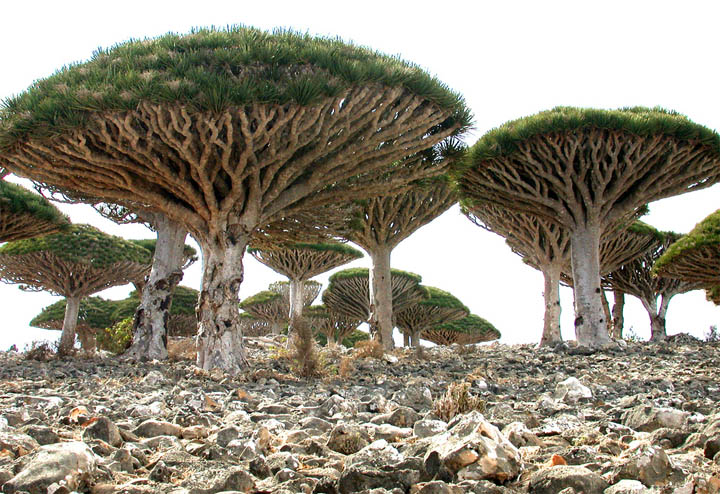
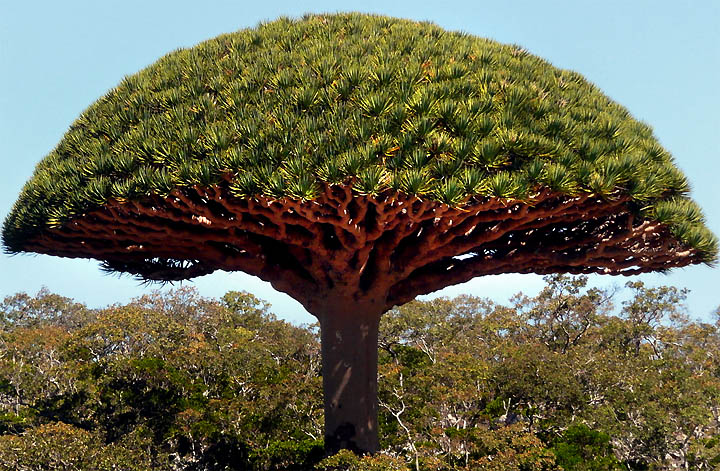
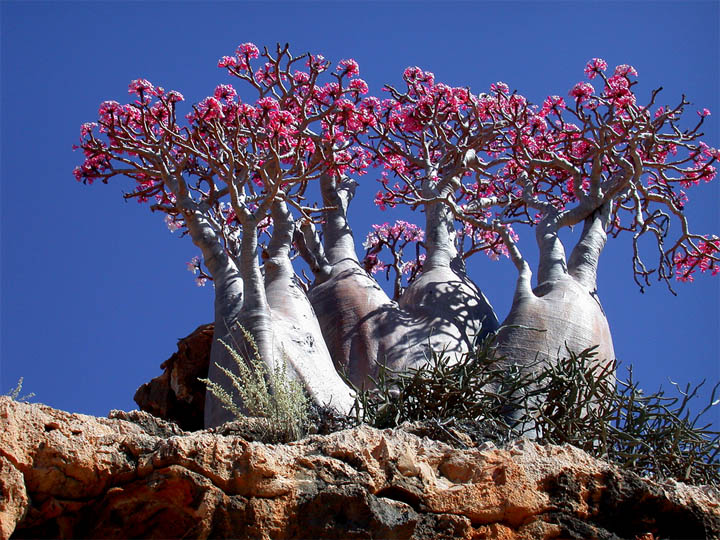
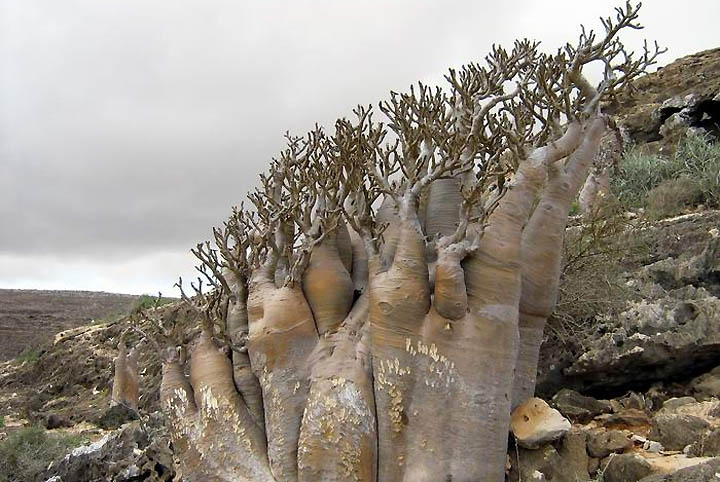
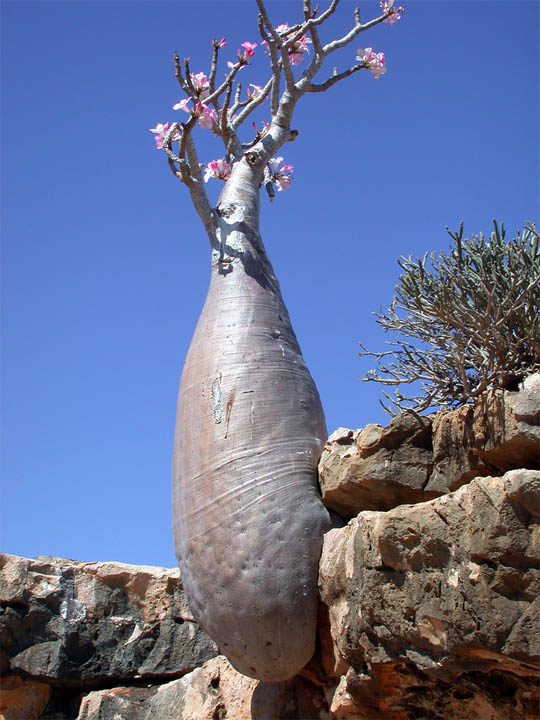
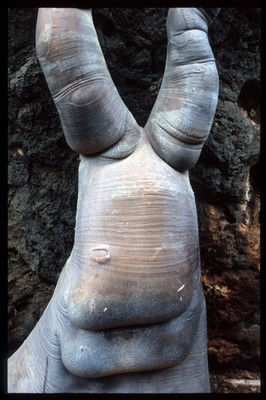
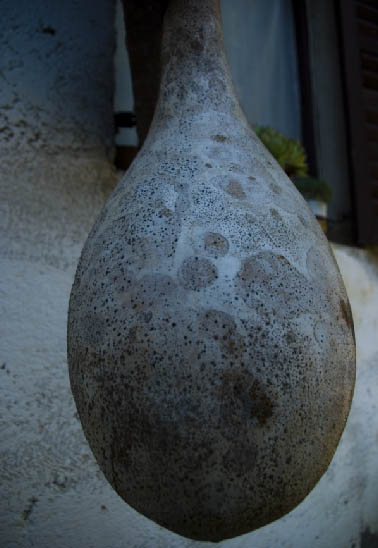
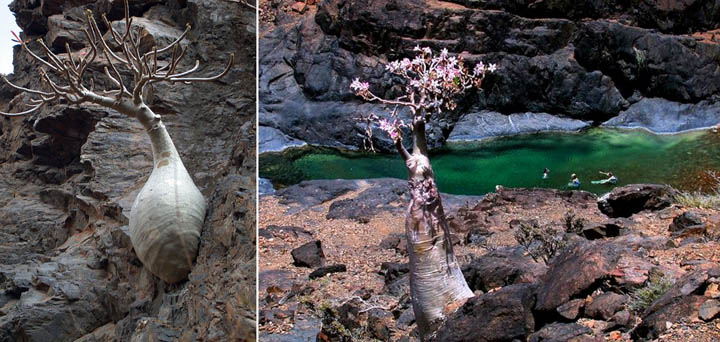
Alien-looking plants
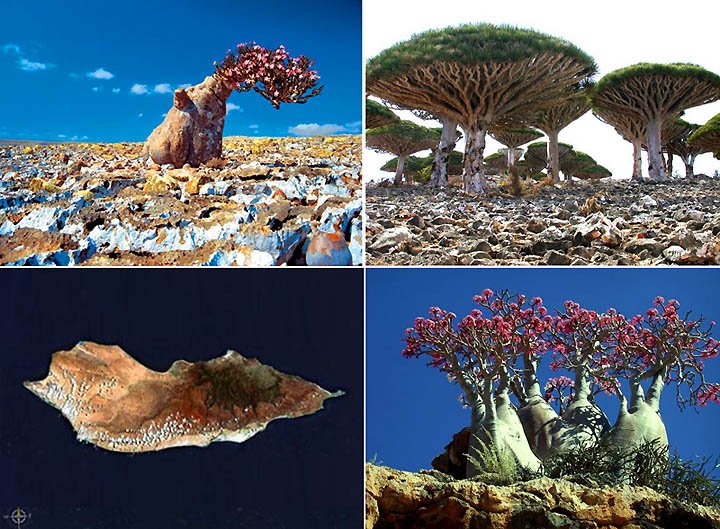 |
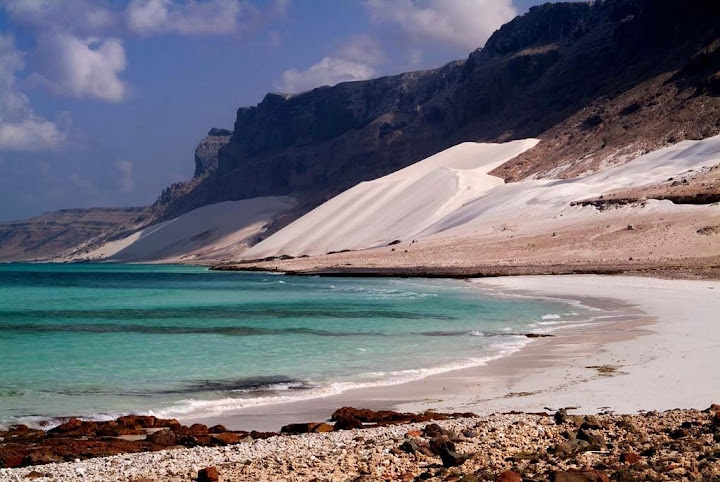
The name Socotra is derived from a Sanscrit name, meaning "The Island of Bliss". 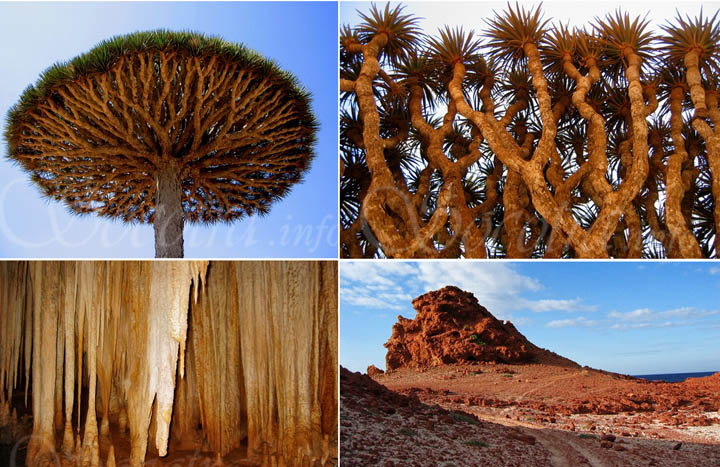 |

피드 구독하기:
글 (Atom)